How to prepare for a 50K trail race: complete guide
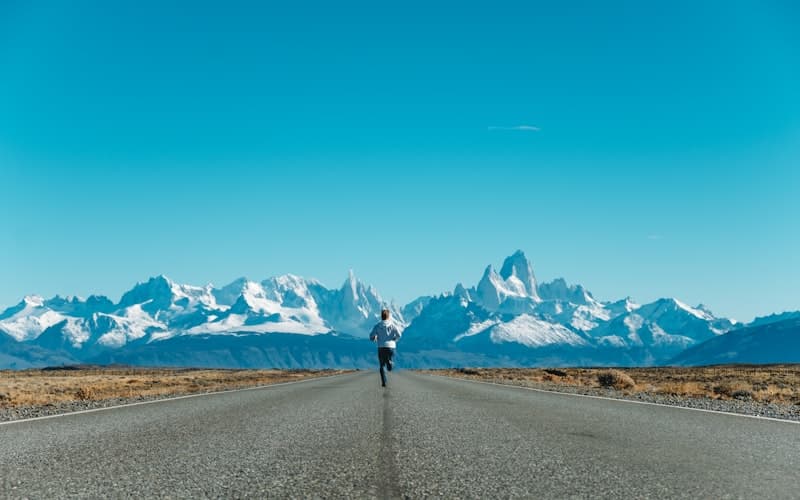
Running 50 km in the mountains is a whole new level. It's no longer just about speed — it's a challenge of endurance, logistics and mental strength. Whether you come from road marathons or a first 30K trail, this guide covers everything you need to reach the finish line of your first ultra.
How long to prepare?
Plan for 16 to 20 weeks of specific preparation if you already have an endurance base (30-40 km/week). If you're starting from scratch in trail running, add 2-3 months of base building before starting the plan.
The goal is NOT to run 50 km in training. Your longest run will be around 30-35 km or 3.5-4 hours of effort. On race day, adrenaline and aid stations will do the rest.
The pillars of training
1. Weekly volume
Aim for a progressive build to 50-70 km/week at peak, spread over 4-5 sessions. Two weeks before the race, reduce to 60% of volume (taper).
2. The long run
This is the key session. Once a week (or every two weeks for the longest ones), on terrain similar to your target race. Build progressively: 20 km → 25 km → 30 km → 35 km. Use these runs to test your nutrition and gear.
3. Elevation
A 50K trail can have between 1,500 and 4,000 m of elevation gain. Train on uphills and downhills — your quads suffer just as much going down as your calves going up. Do at least one hilly session per week.
4. Specific training
Include hill repeats (8-10 × 2-3 min on steep climbs), strength training (squats, lunges, core work) and power hiking — yes, walking is a legitimate ultra strategy.
Key takeaway: 50K trail training rests on 4 balanced pillars: progressive volume, regular long runs, elevation work (uphills AND downhills), and specificity. Neglect any one and you risk injury or DNF.
Nutrition: before, during, after
Before the race
Adopt a carb-heavy diet 3 days before the race (70% of your calories). Race morning breakfast 3h before start: bread, jam, banana, tea.
During the race
Aim for 200-300 kcal per hour from the 2nd hour onwards (Jeukendrup, 2011). Alternate between gels, bars, dried fruit and salty foods (cheese, ham at aid stations). Drink 500-800 ml/h depending on heat.
Golden rule: eat before you're hungry, drink before you're thirsty. Once GI distress sets in, it's often too late to recover.
After the race
Within 30 minutes: recovery drink or protein smoothie. Within 2 hours: full meal (carbs + protein). The following days, eat to satisfaction — your body needs to rebuild.
Mandatory and recommended gear
Most 50K trails require a mandatory gear list. Here are the essentials:
- Hydration pack (10-15 L) with at least 1.5 L water capacity
- Waterproof jacket with sealed seams
- Emergency blanket
- Headlamp + spare batteries (even for daytime starts)
- Food reserve (minimum 800 kcal)
- Charged phone with emergency number
- Personal cup (eco-friendly races)
Race management: mistakes to avoid
Going out too fast
The classic mistake. The first kilometers downhill feel easy. Resist. Run at 80% of your marathon pace for the first 15 km.
Neglecting power hiking
Walking steep climbs (> 15-20% grade) is more efficient than running them. The best ultra-runners walk uphills — it's not weakness, it's strategy.
Forgetting trekking poles
If allowed, trail poles reduce leg impact by 5-15%. Train with them before race day.
💡 Field wisdom: Race management is 50% mental. Accept in advance that the race will be long, that you'll have moments of doubt, and that it's normal. Every experienced ultra-traileur will tell you: kilometers 35-45 are the hardest, but you'll come out of that trough.
Discover our trail training plans
RaceDayLab offers free training plans for the 50K trail, from beginner to intermediate. Each plan includes weekly sessions, nutrition tips and elevation targets.
Related articles
Ready to prepare your next race?
Use our free tools: pace calculator, nutrition planner, gear finder.
Calculate my pace