Triathlon for Beginners: 12-Week Training Plan
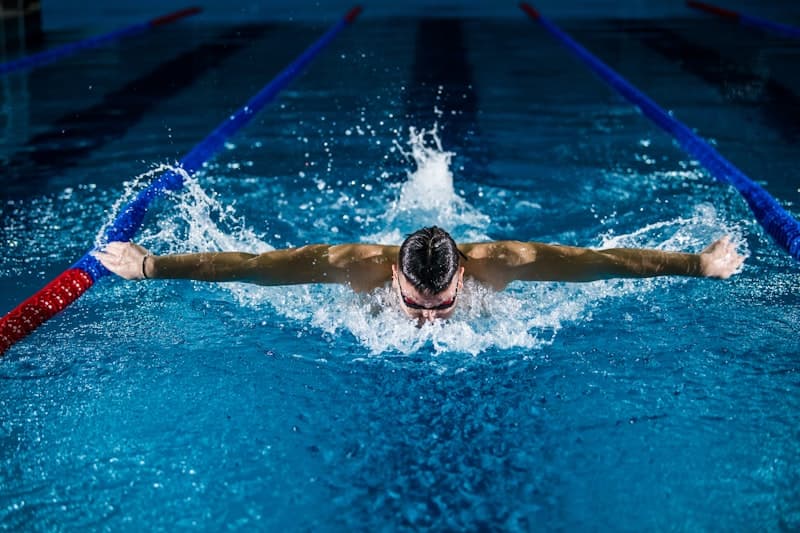
Triathlon: swimming, cycling, running. Three sports, one passion. If you're considering diving into this adventure, you probably have a thousand questions. How do I train? Where do I start? What equipment do I buy? This complete guide offers a 12-week training plan specially designed for beginners, regardless of your target distance (sprint or Olympic).
Choose Your First Triathlon: Sprint or Olympic?
Choosing your first distance is crucial. It determines your training volume, equipment, and overall strategy.
Sprint Triathlon (the ideal distance to start):
- Swimming: 750 m (15-20 min for a beginner)
- Cycling: 20 km (45-50 min)
- Running: 5 km (30-35 min)
- Total estimated time: 2h00 to 2h30
- Perfect for: testing triathlon, building confidence, discovering transitions
Olympic Triathlon (double distance):
- Swimming: 1,500 m (30-40 min)
- Cycling: 40 km (90-100 min)
- Running: 10 km (60-70 min)
- Total estimated time: 3h00 to 4h00
- Perfect for: those who have completed a sprint, more training experience
Our recommendation: Start with a sprint. It's less intimidating, you gain experience, and you can progress to Olympic afterward. Two sprints beat one unfinished Olympic.
Essential Equipment to Get Started
Don't be influenced by marketing. Here's what you really need, without breaking the bank.
Swimming
- Swimsuit: 50-100€. A simple pool swimsuit works. No need for premium tri-suit.
- Swim cap: 5-15€. Often provided by the race. Reduces heat loss.
- Goggles: 30-50€. Essential. Test them in the pool before race.
- Wetsuit (optional): 80-250€. Required if water < 16°C, recommended < 20°C. Increases buoyancy and warmth. It's an investment, but many clubs offer rentals.
- Anti-slip fins: For pool training, optional.
Cycling
- Bike: 300-600€ to start. A hybrid bike works perfectly. No need for a carbon triathlon bike at 3000€.
- Helmet: 80-150€. Non-negotiable for safety.
- Inner tube + spare tires: Essential. 30-50€.
- Tri-suit or wetsuit: 80-150€. Facilitate transitions. Can wait for your second triathlon.
- Triathlon shoes: 100-200€. Convenient for quick transitions. Running shoes also work.
Running
- Running shoes: 120-180€. This is the priority investment. Get advice at a specialty store.
- Clothes: Running shirt and shorts. 40-80€. Avoid cotton.
- Technical socks: 15-25€ per pair. Blister prevention.
Training Philosophy for Beginners
Triathlon training isn't about doing more, it's about doing smart. Here are the key principles:
1. Weekly Volume: 3-4 Sessions
Typical week for a beginner: 5-7 hours of training spread over 3-4 days.
- Monday: Swimming (30-45 min)
- Wednesday: Cycling (45-60 min)
- Thursday: Running (30-40 min)
- Saturday or Sunday: Brick session (cycling + running, 60-90 min) or long distance in one sport
2. Sessions Should Be "Easy"
80% of your sessions should be at easy effort. You should be able to talk during your session. This pace seems slow, but it creates physiological adaptation and prevents overtraining. The remaining 20% are more intensive sessions (intervals, tempo).
3. "Brick" Sessions: Triathlon's Magic Tool
A brick session combines two consecutive sports: cycling + running. The goal? Train your body to transition from one sport to another, especially from cycling to running.
Example brick: 40 min moderate intensity cycling followed by 15 min easy running. The first 2-3 min of running feel weird (your legs are "dead"), then they adapt. That's normal.
One brick session per week during training is plenty.
4. Practice Transitions (T1 and T2)
T1 (swim-to-bike transition): 2-3 min for a beginner.
- Exit the water
- Put on your cap (to remove)
- Dry off if needed
- Shoes (or not, some run barefoot to the bike)
- Helmet mandatory before leaving T1
- Mount the bike
T2 (bike-to-run transition): 1-2 min for a beginner.
- Dismount the bike (sometimes before T2)
- Rack the bike
- Remove helmet and cycling shoes
- Put on running shoes
- Go!
Tip: Organize your transition zone like an F1 pit stop. Easy-to-put-on shoes, helmet attached to bike, everything ready. Practice transitions several times during brick sessions.
12-Week Training Plan
This plan is divided into 3 phases of 4 weeks each. Intensity increases gradually.
Phase 1: Base (Weeks 1-4)
Goal: Build endurance, learn technique in each sport, integrate triathlon progressively. Volume: 5-6 hours/week.
Week 1
- Monday (Swimming): 30 min easy, 6 x 100m with 30s rest
- Wednesday (Cycling): 40 min easy, flat terrain
- Friday (Running): 25 min easy (walk/run if needed)
- Sunday (Brick): 35 min easy cycling + 10 min easy running
Week 2
- Monday (Swimming): 35 min easy, 8 x 100m with 25s rest
- Wednesday (Cycling): 45 min easy
- Friday (Running): 30 min easy
- Sunday (Brick): 40 min easy cycling + 12 min easy running
Week 3
- Monday (Swimming): 40 min, 10 x 100m with 20s rest
- Wednesday (Cycling): 50 min easy with 4 x 1 min moderate (5s rest)
- Friday (Running): 30 min easy
- Sunday (Brick): 45 min easy cycling + 15 min easy running
Week 4 (Recovery)
- Monday (Swimming): 30 min easy, smooth technique
- Wednesday (Cycling): 35 min very easy
- Friday (Running): 20 min easy
- Sunday (Rest): Complete rest or very light (walking)
Phase 2: Development (Weeks 5-8)
Goal: Increase intensity, introduce sport-specific work, improve transitions. Volume: 6-7 hours/week.
Week 5
- Monday (Swimming): 40 min, 5 x 200m with 30s rest, focus technique
- Wednesday (Cycling): 60 min including 3 x 3 min tempo + 2 min rest
- Thursday (Running): 30 min with 6 x 1 min fast (1 min rest)
- Sunday (Long brick): 50 min easy cycling + 20 min moderate running
Week 6
- Monday (Swimming): 45 min, 6 x 200m with 25s rest
- Wednesday (Cycling): 65 min including 2 x 4 min threshold + 2 min rest
- Thursday (Running): 35 min with 8 x 1 min fast (1 min rest)
- Sunday (Long brick): 55 min cycling + 25 min moderate running
Week 7
- Monday (Swimming): 45 min, 4 x 300m with 30s rest
- Wednesday (Cycling): 70 min including 3 x 4 min threshold + 2 min rest
- Thursday (Running): 35 min with 10 min tempo
- Sunday (Longest brick): 60 min cycling + 25 min moderate running
Week 8 (Recovery)
- Monday (Swimming): 35 min easy
- Wednesday (Cycling): 40 min easy
- Thursday (Running): 25 min easy
- Sunday (Rest): Complete rest day
Phase 3: Race-Specific (Weeks 9-12)
Goal: Fine-tune preparation, simulate race conditions, sharpen, taper toward race day. Volume: 5-6 hours/week (less but more intense).
Week 9
- Monday (Swimming): 40 min, 3 x 300m race pace, 30s rest
- Wednesday (Cycling): 50 min including 4 x 2 min race pace
- Thursday (Running): 30 min including 3 x 3 min race pace + 2 min rest
- Saturday (Simulation): Mini-triathlon or complete sprint if possible
Week 10
- Monday (Swimming): 45 min, 6 x 100m sprint pace + 20s rest
- Wednesday (Cycling): 55 min including cadence work (90 rpm)
- Thursday (Running): 30 min easy
- Sunday (Rest): Complete mental and physical rest day
Week 11 (Taper)
- Monday (Swimming): 30 min easy, focus technique
- Wednesday (Cycling): 40 min easy with 3 x 30s fast
- Friday (Running): 20 min including 3 x 1 min race pace
- Rest: Thursday, Saturday, Sunday
Week 12 (Race Week)
- Monday (Swimming): 20 min very easy, just routine
- Wednesday (Cycling): 30 min easy with 2 x 30s fast
- Thursday (Rest): Rest day
- Saturday (Day before): 15 min complete rest or easy walk
- Sunday: RACE!
Nutritional Strategy in Triathlon
Triathlon nutrition is different from simple running. You must think energy, hydration, and digestion.
Before the Race (3-4 Hours)
- Normal meal with complex carbs + lean protein + little fiber
- Example: pasta + tomato sauce + chicken, rice + eggs, omelet + bread
- Avoid excess fat and fiber that slow digestion
- Hydrate regularly: 300-400 ml within 2 hours before
During Swimming (45 min - 1h30)
Can't eat or drink. Your muscle glycogen stores are sufficient. You can get one last quick sugar boost before entry (bottle or gel).
During Cycling (45 min - 100 min)
This is THE time to refuel. On a sprint, it's optional. On Olympic distance, it's essential.
- Sprint: Water only. Cycling only lasts 45-50 min.
- Olympic: 30-60g carbs/hour in sports drink, gels, or bars
- Carry one or two bottles fixed to your bike
- Drink in small amounts, every 10-15 min, to avoid cramps
During Running (5 km - 10 km)
Official aid stations usually give water and sponges. Don't load your stomach. You can take a gel or bottle if wanted. Focus on staying sharp and finishing.
After the Race (30 min - 2h)
- Within 30 min: Recovery drink (milk, juice, sports drink) with 40-80g carbs and 10-20g protein
- Within 2 hours: Normal meal with carbs, protein, and vegetables
- Continue drinking plenty of water all day to rehydrate
Race Day Logistics
Triathlon is more complex than simple running. Here's what you need to plan.
The Day Before
- Bike course preview (if possible) to know the route
- Charge your watch/sensor battery
- Prepare your kit: all clothes, equipment, gels, supplies
- Sleep early. Good sleep = good performance
Race Day (Arrive 90 Min Before Start)
- Breakfast 2-3 hours before start
- Get your race number
- Set up T1 and T2: identify your equipment, organize clearly
- Put on wetsuit if needed and test in open water
- Arrive at start 15 min before, calm yourself, breathe
Bonus Practical Tips
- Swimming technique: A coach session can save you months of inefficiency. Technique is 70% of swimming results.
- Cycling: Have a pro check your contact points (seat, handlebars, pedals). Bad positioning = pain and injury.
- Running: Test your tri shoes beforehand. Some runners keep running shoes: that's valid too.
- Transitions: Practice them. Many beginners lose 5-10 min with poor organization.
- Mental: Triathlon is also mental. Visualize your race. Memorize key points. Have a plan B for issues.
- Recovery: Don't skip recovery. Eat, drink, stretch. Do an easy session tomorrow, not complete rest.
Conclusion
Twelve weeks is enough to prepare your first triathlon if you follow this plan seriously. The key is consistency: show up for sessions, listen to your body, and don't do more than planned. Triathlon is an incredible challenge combining three sports, mental strength, and pure determination. You can do it. Welcome to the triathlon family.
Happy training and see you on the course!
Ready to prepare your next race?
Use our free tools: pace calculator, nutrition planner, gear finder.
Calculate my pace