Getting started in triathlon: the complete guide for your first race
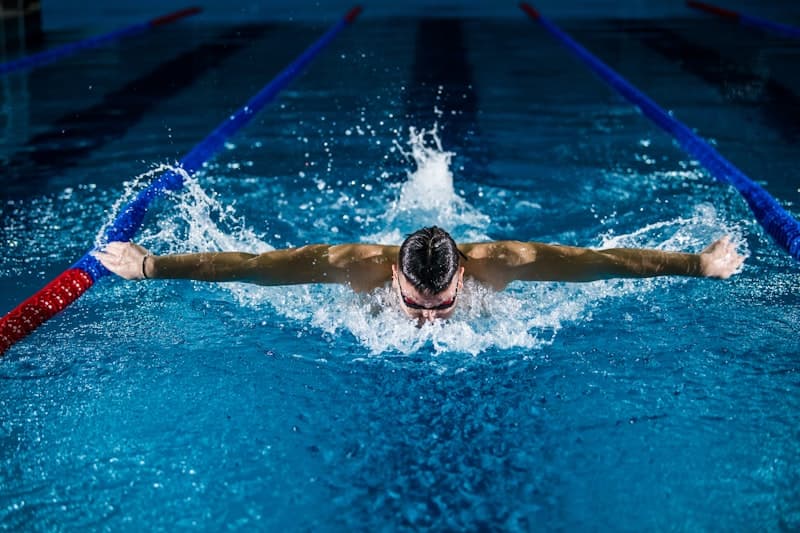
Triathlon is a fascinating sport that combines swimming, cycling and running into a single event. If the idea of stringing three disciplines together appeals to you but you don't know where to start, this guide walks you through every step toward your first finish line.
Which distance to start with?
Triathlon comes in several formats. For a first experience, target a short format:
Super Sprint (XS): 400 m swim / 10 km bike / 2.5 km run. Perfect for a very first experience, achievable with 6-8 weeks of moderate training.
Sprint (S): 750 m swim / 20 km bike / 5 km run. The most popular format for motivated beginners. Allow 8-12 weeks of preparation.
Olympic (M): 1,500 m swim / 40 km bike / 10 km run. The classic distance — save this for your second or third season if you're truly starting out.
Tip: Start with a Super Sprint or Sprint. You'll better understand the importance of transitions and how your body responds to chaining three disciplines together.
Essential gear
Swimming
A swimsuit or tri-suit (triathlon suit worn across all 3 disciplines). If the race is in open water and the temperature allows, a wetsuit is highly recommended — it provides buoyancy and warmth. Add comfortable swim goggles and a cap (usually provided by the organizer).
Cycling
Any bike in good working order is fine to start — road, hybrid or even mountain bike. A certified helmet is mandatory. Invest in padded shorts (or a tri-suit) and appropriate shoes. A bottle cage and a spare inner tube are essentials.
Running
A good pair of running shoes, tested in training. Avoid brand-new shoes on race day. A cap and sunglasses are helpful in hot weather.
The tri-suit: a beginner's best friend
A tri-suit (one-piece or two-piece) is worn from start to finish. Its thin padding dries quickly after the swim, is comfortable on the bike and doesn't chafe while running. It's the best investment to simplify your transitions.
Organizing your training
Frequency and distribution
For a Sprint triathlon, aim for 4 to 6 sessions per week across all 3 disciplines. A sample training week:
Monday: rest or technique swim (45 min)
Tuesday: run — intervals (45 min)
Wednesday: bike — endurance ride (1h)
Thursday: swim — endurance (45 min)
Friday: rest
Saturday: long bike + brick run (1h30 total)
Sunday: run — long run (50 min)
Swimming: the key discipline
It's often the most feared discipline. Prioritize technique over volume. Work on bilateral breathing, glide efficiency and open-water sighting. Joining a club or masters group is the fastest way to improve.
Swimming is 80% technique, 20% effort. Improvement comes from better movement patterns, not more kilometers.
Cycling: building endurance
Cycling is the longest segment in terms of time. Build endurance with regular, progressive rides. Learn to pedal at a smooth cadence (80-90 rpm) and to eat and drink while riding.
Running: managing fatigue
Running after cycling is a unique sensation — legs feel heavy for the first few kilometers. Practice "brick" workouts: a bike ride followed immediately by 15-20 min of running, to train your body for the transition.
Transitions: the "4th sport"
Transitions (T1: swim → bike, T2: bike → run) are timed and fully part of the race. A few tips:
Prepare your spot: lay out gear on a towel, in order of use. Helmet open and ready, shoes positioned, race number on a number belt.
Practice: rehearse transitions in training. Movements should be automatic on race day.
Stay calm: stress costs time. Breathe, proceed methodically.
💡 Possible gain: 1-2 min per smooth transition. On a Sprint, that's 2-4 min total — worth the training effort!
Race-day management
The swim
Position yourself on the sides or at the back of the group to avoid contact. Start at your own pace — don't get swept up by adrenaline. Aim for a controlled effort at 75-80% of your capacity.
The bike
Watch out for drafting: in non-drafting triathlons (most amateur events), you must maintain a regulatory distance. Ride steadily, eat and drink from the first kilometers.
The run
Start gently for the first 500 meters to let your legs find their rhythm. Then settle into a steady pace you can maintain to the finish. Save energy for the final stretch — crossing a triathlon finish line is an unforgettable moment.
Plan your paces with RaceDayLab
Use our Pacer to calculate your target running paces and our Fuel Planner to organize nutrition for the bike and run legs. Estimate your MAS to calibrate your interval sessions.
Related articles
Ready to prepare your next race?
Use our free tools: pace calculator, nutrition planner, gear finder.
Calculate my pace